
What Is an Espresso Knock Box? A Complete Guide (2026)
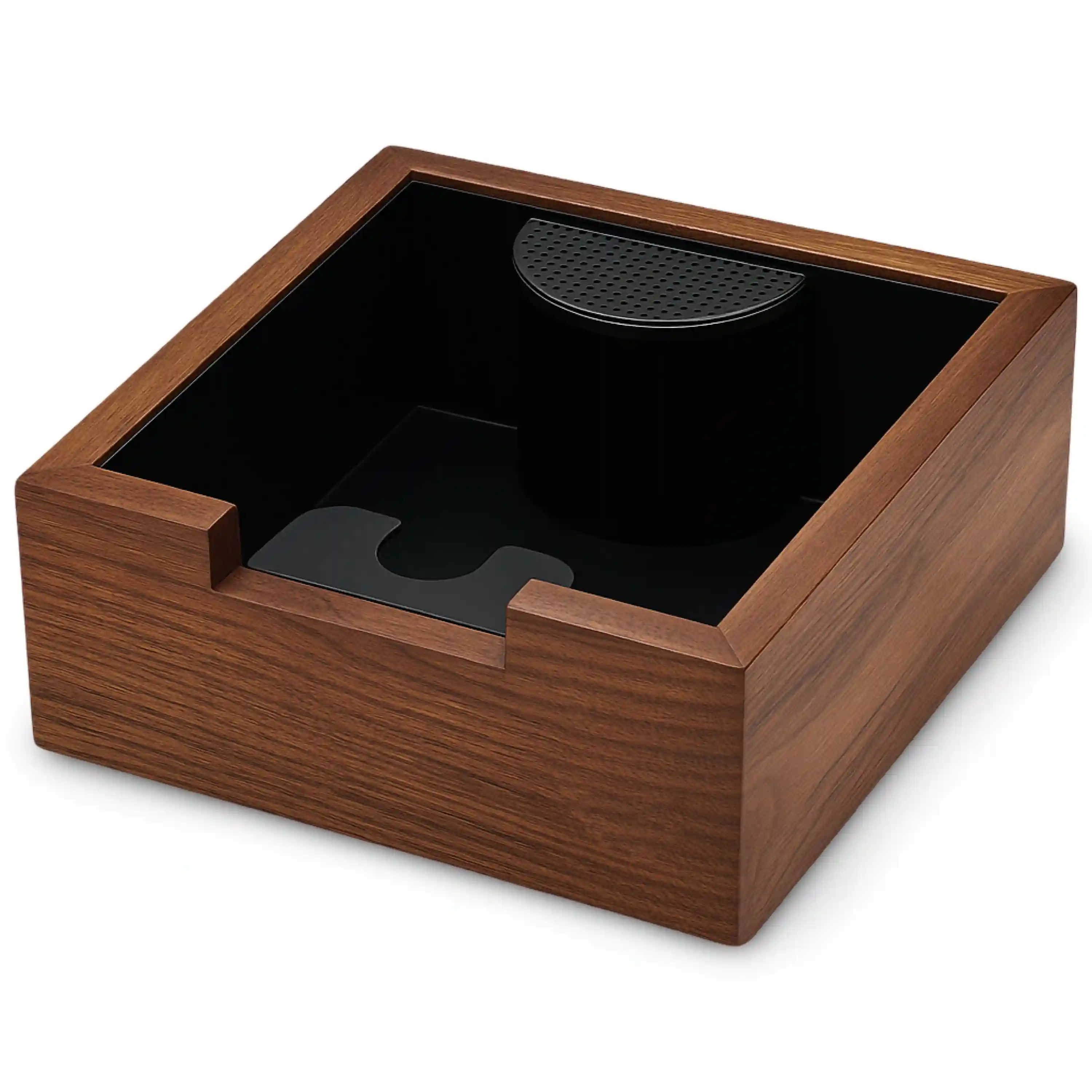
What Is an Espresso Knock Box?
An espresso knock box is a container designed for one specific job: disposing of used coffee pucks after you pull a shot. You tap — or "knock" — the portafilter against a padded bar that sits across the opening, and the spent puck drops cleanly into the bin below. It sounds simple, and it is. But that simplicity is exactly what makes a good knock box such an important part of any espresso setup.
Without one, most home baristas end up knocking pucks into the kitchen sink or aiming for the trash can across the counter. The result is usually a mess — wet grounds scattered on the counter, stained sinks, and the occasional dent in a portafilter from banging it against a hard surface. A proper coffee knock box solves all of that. It gives you a dedicated, padded target that protects your equipment and keeps your workspace clean between shots.
Whether you are pulling two shots a day on a Breville Bambino or working through a busy morning rush, the knock box is the bridge between finishing one shot and starting the next. It is one of those tools that, once you start using, you wonder how you ever managed without.
Why Every Home Barista Needs a Knock Box
The case for a knock box comes down to three things: speed, cleanliness, and protecting your gear.
Speed matters more than you think. Even if you only make espresso for yourself, the seconds between disposing of a puck and starting your next dose add up. A knock box sitting right beside your tamping station lets you tap, empty, and reload without moving from your spot. For anyone who makes multiple drinks in a row — guests, weekend lattes, back-to-back cortados — a fast puck disposal step keeps the rhythm going.
Cleanliness is the obvious benefit. Spent espresso grounds are wet, oily, and stick to everything they touch. Dropping them into a sink clogs drains over time. Tossing them at a trash can leaves a trail of fine grounds across the counter. A knock box contains all of it in one place, and emptying it takes five seconds.
Your portafilter is worth protecting. Knocking a portafilter against a sink edge, a trash can rim, or any hard surface puts stress on the lugs and handle. Over time that can loosen the fit or chip the basket rim. The shock-absorbing bar on a knock box cushions the impact every time, so your portafilter stays in good condition for years.
How to Use an Espresso Knock Box Properly
Using a knock box is straightforward, but a few habits make the experience cleaner and extend the life of both the box and your portafilter.
Wait a few seconds after pulling your shot. Barista Hustle recommends waiting briefly before removing the portafilter so the puck firms up slightly. A drier puck releases more cleanly from the basket and produces less splatter when it lands in the box. There is no need to wait long — three to five seconds is enough. For a deeper look at what spent pucks tell you about your extraction, Barista Hustle's guide on spent pucks is an excellent resource.
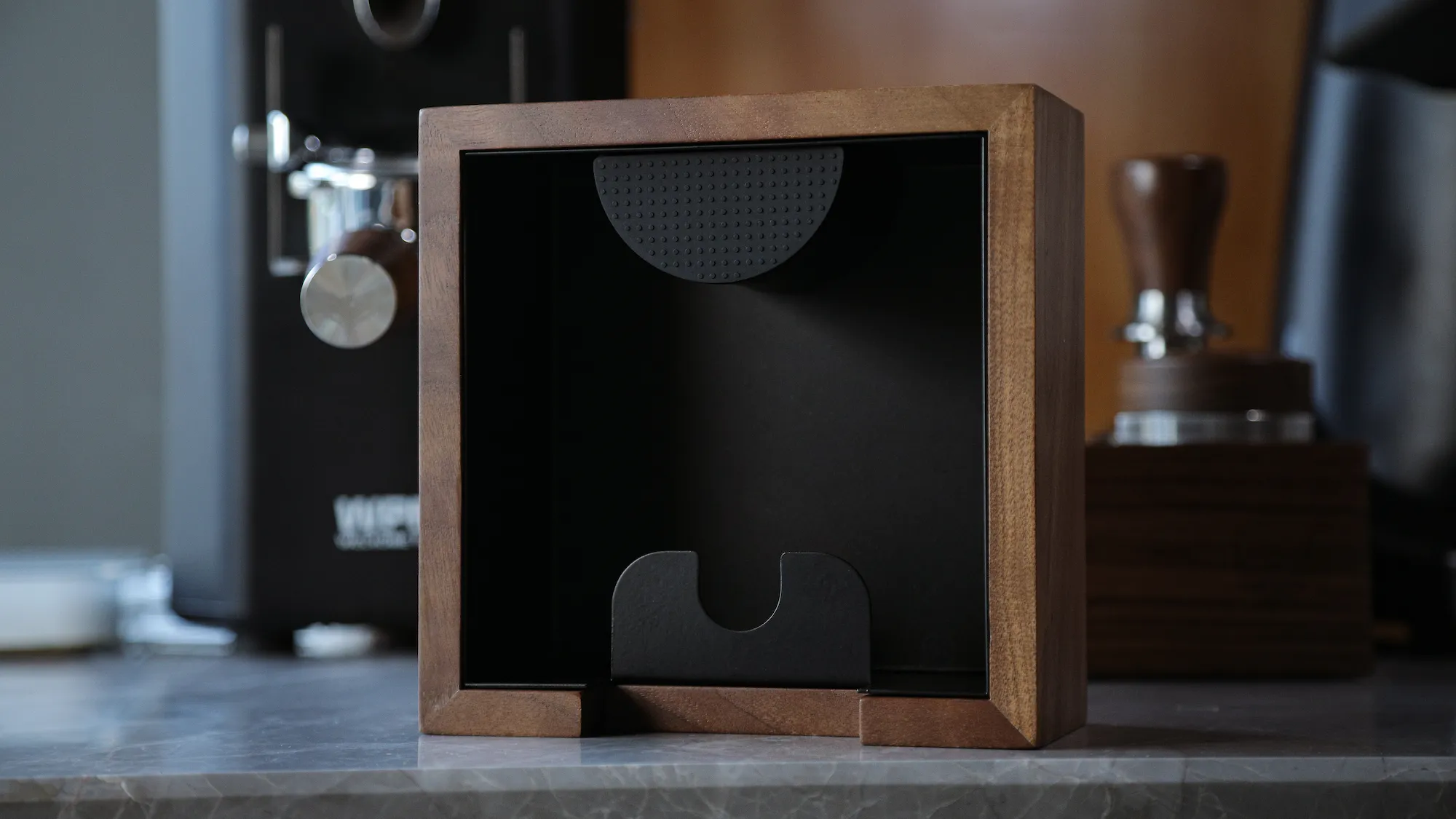
Strike the bar, not the box itself. Hold the portafilter by the handle, flip it upside down over the knock box, and tap the portafilter rim against the rubber or silicone bar that spans the opening. One or two firm taps should do it. Avoid hitting the side walls or the edge of the container — the bar is where the padding lives.
Empty the box before it overflows. Knock boxes work best when the pucks can land freely. If spent grounds pile up to the level of the bar, pucks start to stick and splatter. Emptying after every four or five shots keeps things tidy. Bonus: spent espresso grounds make excellent compost material, so you can send them straight to the garden.
Rinse regularly. Coffee oils build up over time and can develop an unpleasant smell if left too long. A quick rinse of the inner container every day or two keeps things fresh. Most quality knock boxes have a removable inner liner that makes this easy.
What to Look for When Choosing a Coffee Knock Box
Not all knock boxes are created equal. Here is what separates a good espresso knock box from one that ends up collecting dust.
Shock-absorbing bar quality. This is the most important feature. The bar needs to be firm enough to release the puck on impact but padded enough to cushion the blow. Rubber or silicone bars work well. Thin, hard bars send too much vibration through the portafilter and wear out quickly.
Stability and weight. A knock box that slides across the counter every time you tap it defeats the purpose. Look for a non-slip rubber base and enough weight in the frame to stay planted. Heavier materials like stainless steel or solid wood outperform lightweight plastic here.
Easy cleaning. A removable inner bin or liner is essential. Without it, you are scooping wet grounds out by hand — and that gets old fast. The best designs let you lift out the inner container, dump it, rinse it, and drop it back in.
Size and footprint. Think about your counter space. A compact knock box fits next to a tamping station without crowding your setup. If you pull more than ten shots a day, a larger capacity box saves you from emptying it constantly.
Material and build. Stainless steel is the most durable option. Wood — rosewood, walnut, or maple — adds warmth and pairs well with other espresso accessories. Plastic works but tends to stain and absorb odors over time. The Specialty Coffee Association does not set standards for knock boxes specifically, but the same principle applies to all barista tools: quality materials last longer and perform more consistently.
Knock Box vs Other Puck Disposal Methods
Some baristas improvise puck disposal with whatever is nearby. Here is how those alternatives compare to a dedicated espresso knock box.
| Method | Cleanliness | Portafilter Safety | Speed |
|---|---|---|---|
| Knock box | Excellent — contained, easy to empty | High — padded bar absorbs impact | Fast — tap and go |
| Kitchen sink | Poor — grounds clog drains, stain basin | Low — hard edges damage portafilter | Moderate — requires rinsing after |
| Trash can | Poor — grounds scatter, wet bag drips | Low — hard rim causes impact damage | Slow — need to aim, clean up misses |
| Paper towel / rag | Fair — messy, wasteful | High — soft surface | Slow — requires wrapping, discarding |
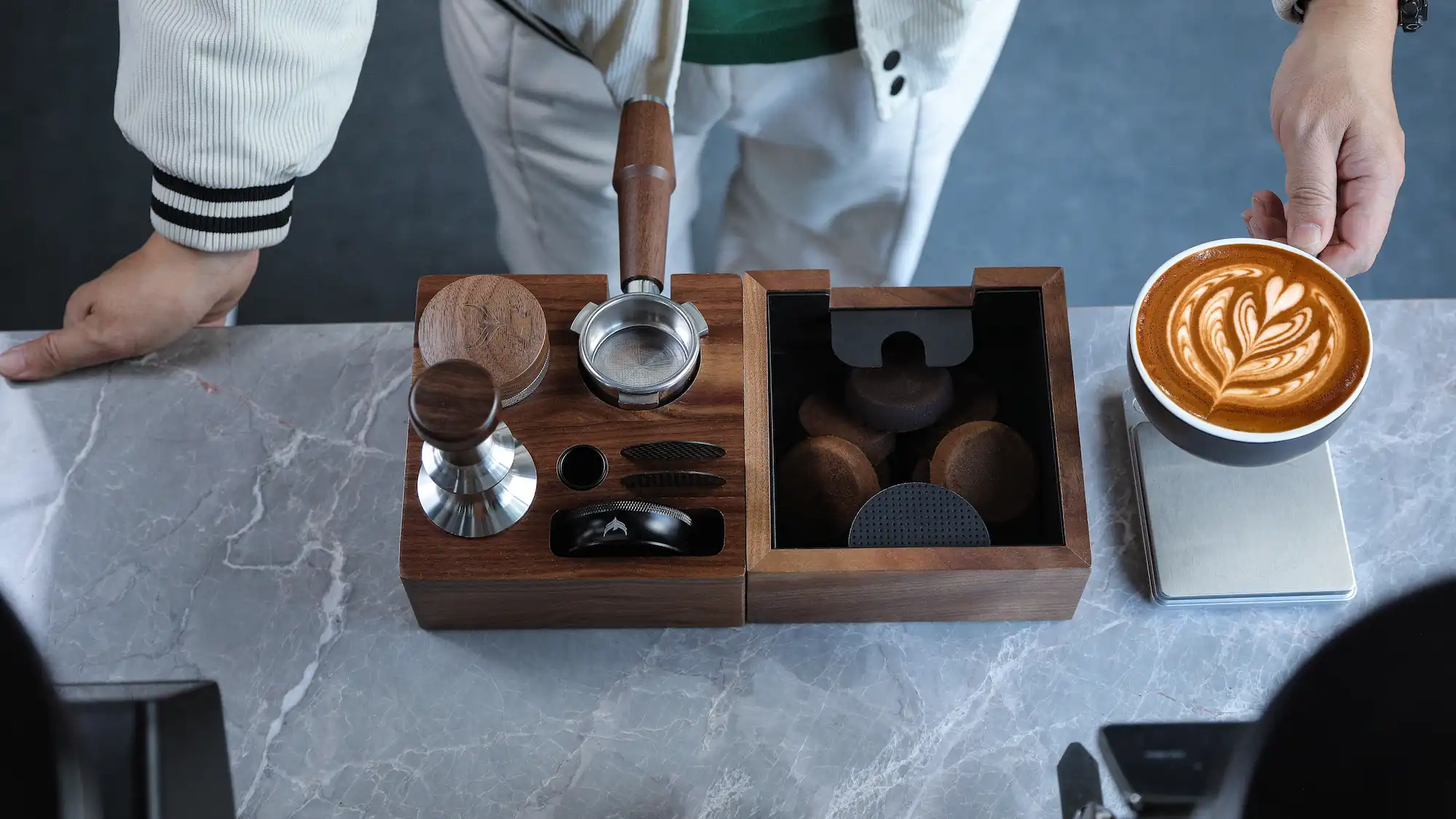
The knock box wins on every practical metric. It is purpose-built for the task, and once it is part of your routine, the alternatives feel clumsy by comparison. If you are building a proper espresso station with a tamper, distributor, and dosing funnel, the knock box is the natural next step.
Why Choose KNODOS Knock Boxes?
Crafted from solid rosewood with a shock-absorbing knock bar, non-slip rubber base, and heavy-duty stainless steel frame. The removable inner liner makes cleaning effortless — lift, dump, rinse, and replace. Designed to sit alongside your tamping station and complete your espresso prep workflow.
View on Amazon →
We designed the KNODOS knock box line around the same principles that guide all our espresso accessories: solid materials, clean design, and a focus on daily usability. The rosewood version pairs naturally with our rosewood collection of tampers, distributors, and tamping stations, creating a unified look across your entire espresso bar.
KNODOS knock boxes are also available in walnut and in multiple portafilter-compatible configurations — you can find the right fit whether your machine uses 51mm, 54mm, or 58mm baskets. If you are unsure which accessories fit your machine, our machine compatibility finder can help narrow it down.
Every knock box in the range features the same shock-absorbing bar design and non-slip base, so the core performance is consistent regardless of which finish or configuration you choose. Browse the full knock box collection to find the one that fits your setup.
Frequently Asked Questions
What is the purpose of an espresso knock box?
An espresso knock box provides a dedicated container for disposing of used coffee pucks after pulling a shot. You tap the portafilter against a shock-absorbing bar, and the spent puck drops cleanly into the bin below. It keeps your workspace tidy, speeds up your workflow, and protects your portafilter from damage.
Do I need a knock box for home espresso?
While not strictly required, a knock box significantly improves your home espresso workflow. Without one, most people knock pucks into a trash can or the sink, which creates mess and can damage your portafilter over time. A dedicated knock box makes puck disposal faster, cleaner, and quieter.
How do you clean an espresso knock box?
Most knock boxes have a removable inner liner or bin. Empty the spent grounds into your compost or trash, rinse the liner under warm water, and wipe it dry. For deeper cleaning, wash with mild dish soap once a week. Avoid submerging wooden knock boxes — wipe the exterior with a damp cloth instead.
What size knock box should I get?
Knock boxes are generally universal and not size-specific like tampers or distributors. Any knock box will work with 51mm, 54mm, or 58mm portafilters. Choose based on your counter space and how many shots you pull per day. A compact box suits home use, while a larger bin works better for high-volume setups.
Can I use spent espresso grounds from my knock box for composting?
Yes. Spent espresso grounds are rich in nitrogen and make excellent compost material. Simply empty your knock box into a compost bin. Coffee grounds also work well as a natural fertilizer for acid-loving plants like blueberries, azaleas, and roses.
Related Guides
- What Is an Espresso Tamping Station? — Some stations build the knock box into the same block of wood.
- How to Tamp Espresso Like a Pro — The step that comes right before you knock the puck out.
- How to Choose Espresso Accessories for Your Machine — Which tools fit your machine, size by size.